
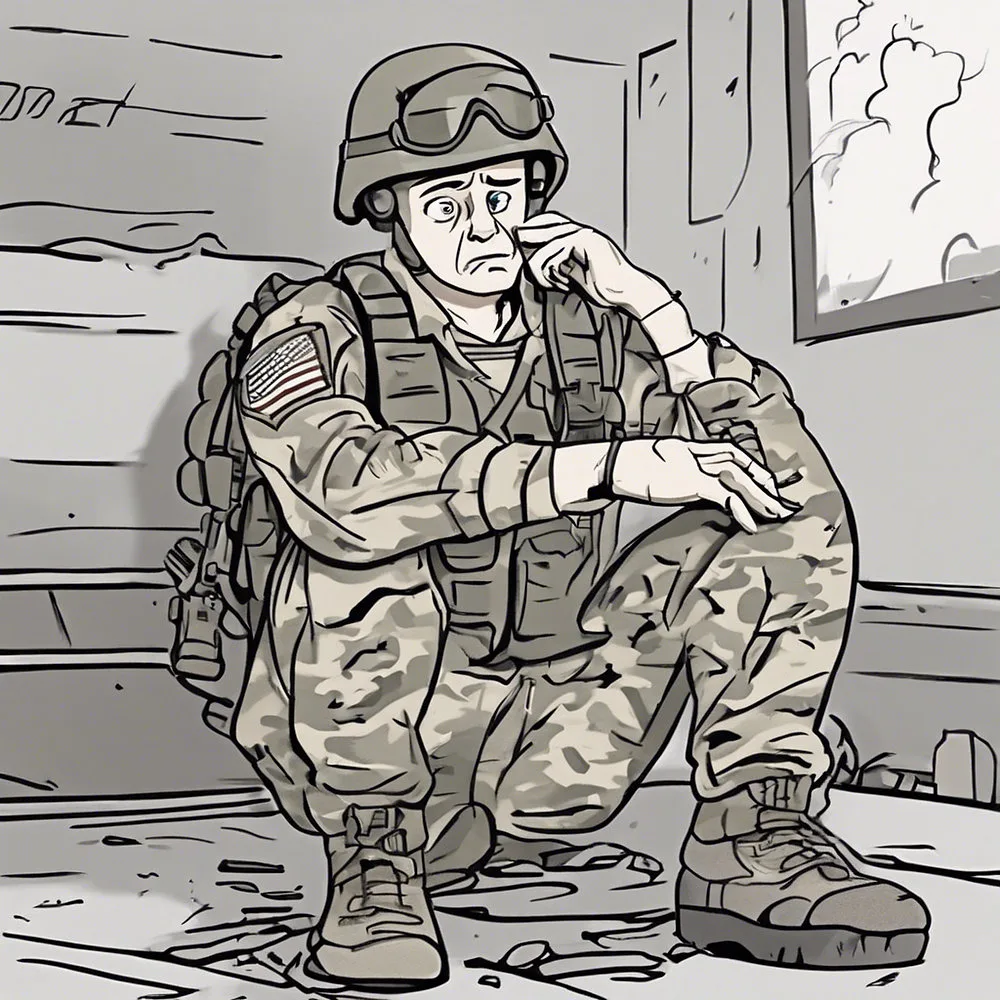
Trauma & PTSD

Trauma is not only what happened, but what the nervous system carries afterwards. Traumatic experiences can leave the body in survival mode long after the danger has passed — showing up as flashbacks, nightmares, hypervigilance, emotional numbness, or a sense of being permanently braced for something. These articles cover post-traumatic stress and complex trauma: what the symptoms look like, why they persist, and how trauma-focused work proceeds. Understanding PTSD: A Comprehensive Guide and Unveiling the Shadows of PTSD cover recognition and course, while Trauma: How to Navigate Through Trauma looks at the process of working through it. Trauma-focused therapy moves at a pace you can hold. The work usually begins with safety and grounding rather than the memory itself, so that processing happens within your window of tolerance rather than overwhelming it. It sits alongside the other approaches used in this practice. Written by Saleha Choudhury, a BACP Accredited, trauma-informed counsellor in Seven Kings, Ilford, and online across the UK.

Understanding PTSD: A Comprehensive Guide
Trauma & PTSD

Understanding PTSD: A Comprehensive Guide

Post-Traumatic Stress Disorder (PTSD) is a mental health condition that’s triggered by a terrifying event, either experiencing it or witnessing it. Symptoms may include flashbacks, nightmares, severe anxiety, as well as uncontrollable thoughts about the event. Many people who go…


Trauma: How to navigate through Trauma
Trauma & PTSD

Trauma: How to navigate through Trauma

Trauma is defined as a deeply distressing or disturbing experience that can have long-lasting effects on a person’s mental and emotional well-being. Trauma can come in many forms, including physical abuse, emotional abuse, neglect, and exposure to violence or natural…

Scroll to Top